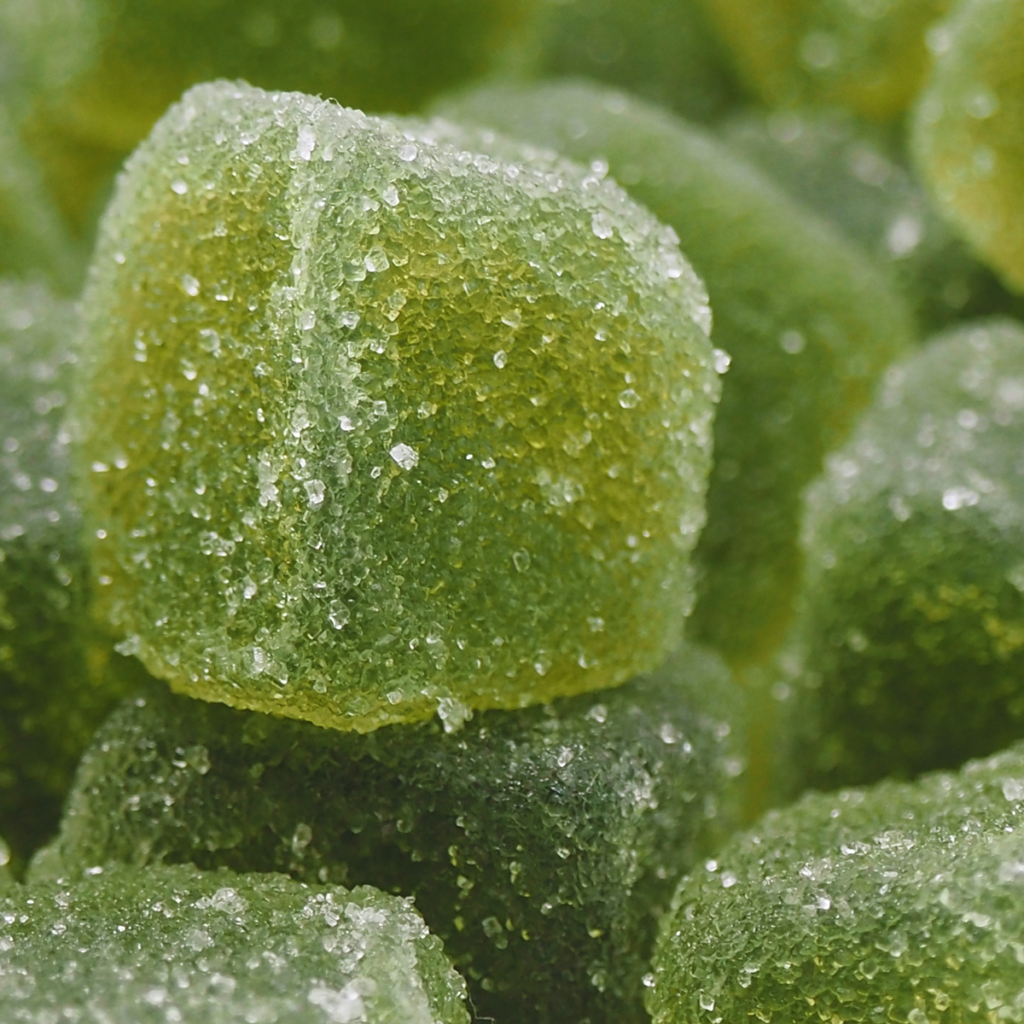
It’s time to break down a cannabinoid clash that’s turning heads: HHC vs. THC. Both are making waves for their effects and potential benefits, but how do they stack up against each other? If you’ve ever wondered what sets these two compounds apart—or which one might be the better fit for your vibe—we’re laying it all out.
What is HHC?
Say hello to Hexahydrocannabinol, or HHC for short. This one’s a bit of a newcomer, but it’s quickly gaining attention. HHC shares a lot in common with THC, especially in the way it interacts with the body’s endocannabinoid system. The twist? It tends to offer a lighter, more clear-headed high, and it’s often described as energizing rather than couch-locking.
HHC interacts with the body’s endocannabinoid system similarly to THC, producing psychoactive effects. Users often report a milder high compared to THC, making it a potentially appealing option for those seeking a different experience. Some describe the effects of HHC as more clear-headed and energizing than traditional cannabis products.
As research on cannabinoids continues to evolve, HHC remains an intriguing compound with unique properties worth exploring. Its potential benefits and risks are still being studied, offering new possibilities in the ever-expanding realm of cannabis science.

What is THC?
Tetrahydrocannabinol, or THC, is the heavyweight champ of cannabinoids. It’s the primary psychoactive compound in cannabis and the one responsible for that euphoric, sensory-shifting high. But it’s not just about the buzz—people also turn to THC for pain relief, appetite support, and stress reduction. It’s been a staple in both recreational and medicinal circles for decades.
THC is commonly used both recreationally and medicinally. Its recreational use may result in feelings of euphoria, relaxation, altered sensory perception, and increased appetite. Medically, THC has been studied for its potential benefits in managing pain, nausea, inflammation, and muscle control disorders such as multiple sclerosis.
One important thing to note about THC is that different strains of cannabis contain varying levels of this compound. This variability can impact the overall experience when consuming marijuana products rich in THC content.
Differences in Chemical Structure and Effects on the Body
Both HHC and THC interact with your brain and body in similar ways, but minor differences in molecular structure can mean a big shift in how you feel. THC binds more aggressively to cannabinoid receptors, which is why its effects tend to be more intense. HHC’s more subtle structure leads to a gentler, smoother ride—think clarity over intensity.
For some, that’s a huge plus. Others might prefer the full-on experience that THC delivers. The choice really depends on what you’re looking for—mellow and manageable or deep and immersive.
Legality and Availability of HHC and THC
When it comes to the legality and availability of HHC and THC, there are notable differences to consider. THC, a well-known cannabinoid found in marijuana, is still classified as a controlled substance in many places around the world. This means that its legality can vary depending on local laws and regulations.
On the other hand, HHC, a newer compound with less research behind it, falls into a grey area regarding legality. While some regions may have yet to address its legal status specifically, others may include it under broader cannabis legislation.
In terms of availability, THC products are more widely accessible due to their established presence in the market. You can find various THC-infused products in dispensaries or through medical prescriptions where permitted.
HHC’s availability might be more limited at this time as manufacturers continue exploring its potential uses and effects within the industry.
Potential Medical Benefits of HHC and THC
Both cannabinoids bring promising benefits to the table. THC has long been studied for everything from pain and nausea relief to muscle relaxation and appetite stimulation. It’s especially popular among patients undergoing chemotherapy or dealing with chronic conditions like MS.
HHC, while still emerging, is showing signs of offering similar therapeutic effects—but often with less psychoactivity. Some users are exploring it for anxiety, inflammation, or stress relief, and early feedback is encouraging.
Risks and Side Effects of HHC and THC
When it comes to risks and side effects, both HHC and THC have their own set of considerations.
HHC, being a novel cannabinoid, lacks extensive research on its potential downsides. However, some users report experiencing dizziness, nausea, or increased heart rate after consuming products containing HHC.
On the other hand, THC is more well-studied. While many people find relief from pain and anxiety with THC, it can also lead to adverse effects such as impaired memory, coordination issues, or heightened paranoia in some individuals.
It’s important to remember that individual reactions to cannabinoids vary greatly. What works for one person might not work for another—always start with low doses and monitor your body’s response carefully.

Global Cannabidiol Market size
While we’re comparing THC and HHC, it’s impossible to ignore the huge momentum behind CBD. The global cannabidiol market is booming, with consumers seeking natural relief for anxiety, pain, sleep issues, and more. As regulations continue to shift and the wellness world embraces cannabis-derived compounds, opportunities for innovation across the board are growing fast.
Conclusion: Which One is Right for You?
Whether you’re curious about the subtle clarity of HHC or the classic intensity of THC, there’s no wrong path—only what suits you best. Both compounds are reshaping how people think about cannabis and its many possibilities.
Curious to see how each one feels? Start small, stay informed, and enjoy the journey. Check out our online store to find All Natural HHC and Legal THC Gummies!